Property Team Insight - New York, NY

Photo Documentation for Commercial Exterior Cleaning

Good photo documentation turns an exterior cleaning visit into a record that property managers, engineers, owners, and hotel teams can use after the crew leaves. New York projects require an early feasibility screen for facade geometry, pedestrian exposure, staging space, water routing, airspace, street activity, and the finish expected on each elevation. Drone-assisted cleaning is evaluated as one access method inside that larger plan, not as a substitute for required inspection, repair, or contact cleaning.

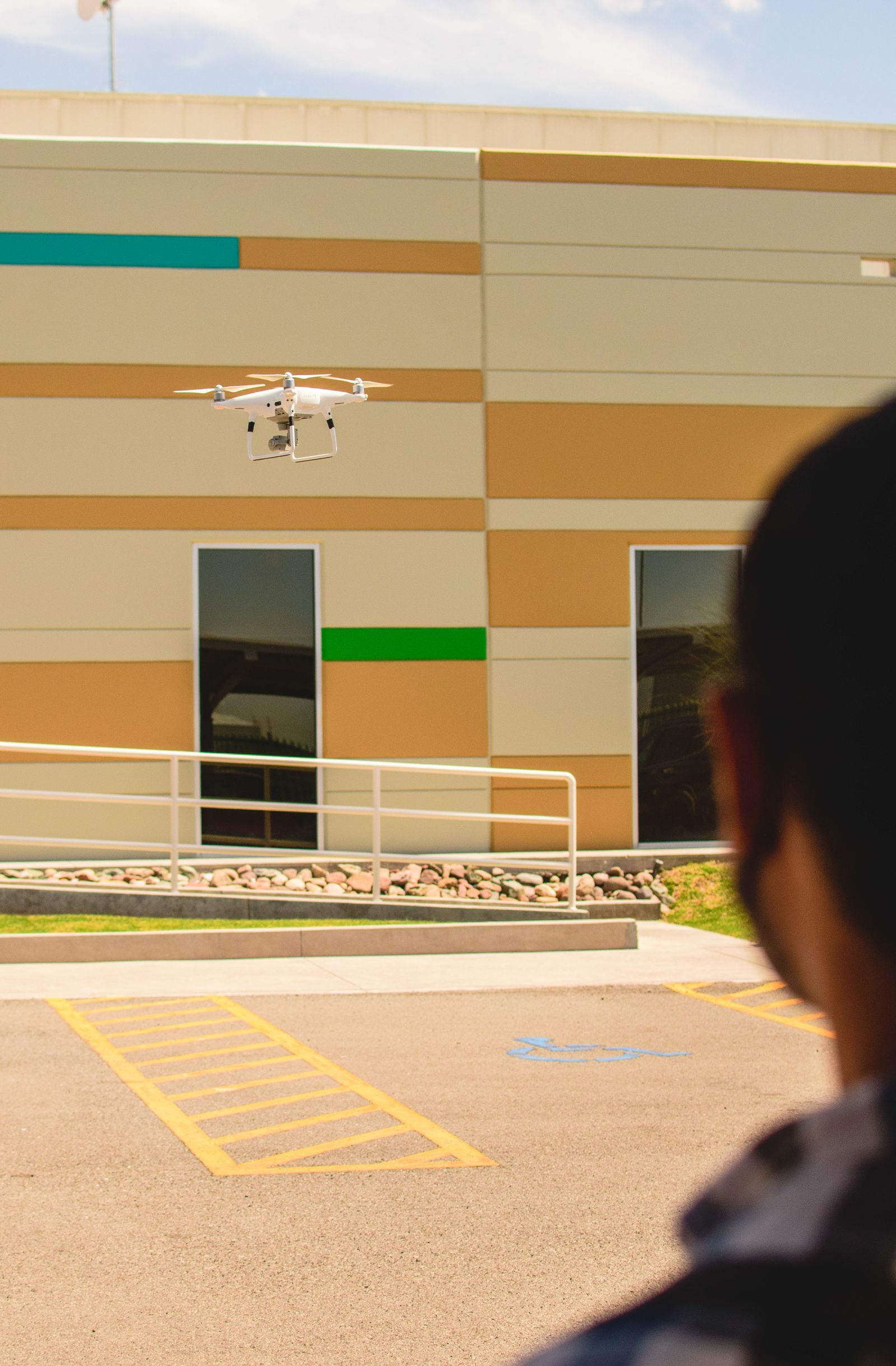
Drone flying beside a modern commercial building during an exterior review
Drone-assisted access starts with a property-specific site review.
New York Building Care

Photograph the condition before work

Capture representative elevations, staining, glass or coating concerns, access constraints, nearby drains, and any pre-existing condition that could affect the scope or expected finish.

New York Building Care

Photograph the completed zones

Use consistent viewpoints and identify the elevation or service zone so a future reviewer can compare the result without guessing what was cleaned.

New York Building Care

Record exceptions and next steps

Photos should be paired with notes about weather, access, areas deferred, contact-cleaning needs, remaining stains, and the next recommended visit or referral.

Local Planning Lens

Plan each elevation around five-borough site constraints.

A Manhattan hotel, a Long Island City office building, and a Brooklyn mixed-use property can require very different staging, access, pedestrian-control, and rinse-water plans. The quote process separates cleanable surface conditions from restoration, repair, and legally required facade inspection work.

  • Identify the borough, block conditions, entrances, sidewalks, adjacent roofs, and workable launch or staging areas.
  • Separate maintenance rinsing and soft washing from mineral correction, scraping, repair, or a squeegee-finish requirement.
  • Coordinate wind, weather, public protection, hose routing, water access, and building operating hours before scheduling.
Next Step

Turn the question into a property-specific scope.

The guide is a starting point. Surface, access, traffic, weather, water, and the required finish determine the right next step for the building.